There is something about Ikoyi that makes it difficult to place.
It is a London restaurant, but its cooking does not belong to any one culinary tradition. Its roots are in West Africa, its ingredients are often British, and its approach is shaped by influences that reach far beyond either. The result is a cuisine that feels personal rather than prescribed.
Opened in 2017 by childhood friends Jeremy Chan and Iré Hassan-Odukale, Ikoyi has become one of London’s most closely watched restaurants. Today, it sits at No. 15 on The World’s 50 Best Restaurants list, following years of steady recognition, including its second Michelin star in 2022.
But the story behind Ikoyi started long before the awards.
Two childhood friends, one idea
Jeremy Chan did not take the conventional route into the kitchen. He studied Languages and Philosophy and spent two years working in business before eventually returning to the subject that had always interested him most: food.
He began reading, researching and studying chefs and gastronomy almost obsessively. A conversation with his childhood friend Iré Hassan-Odukale eventually opened the door to something more concrete – the idea of creating a restaurant together.
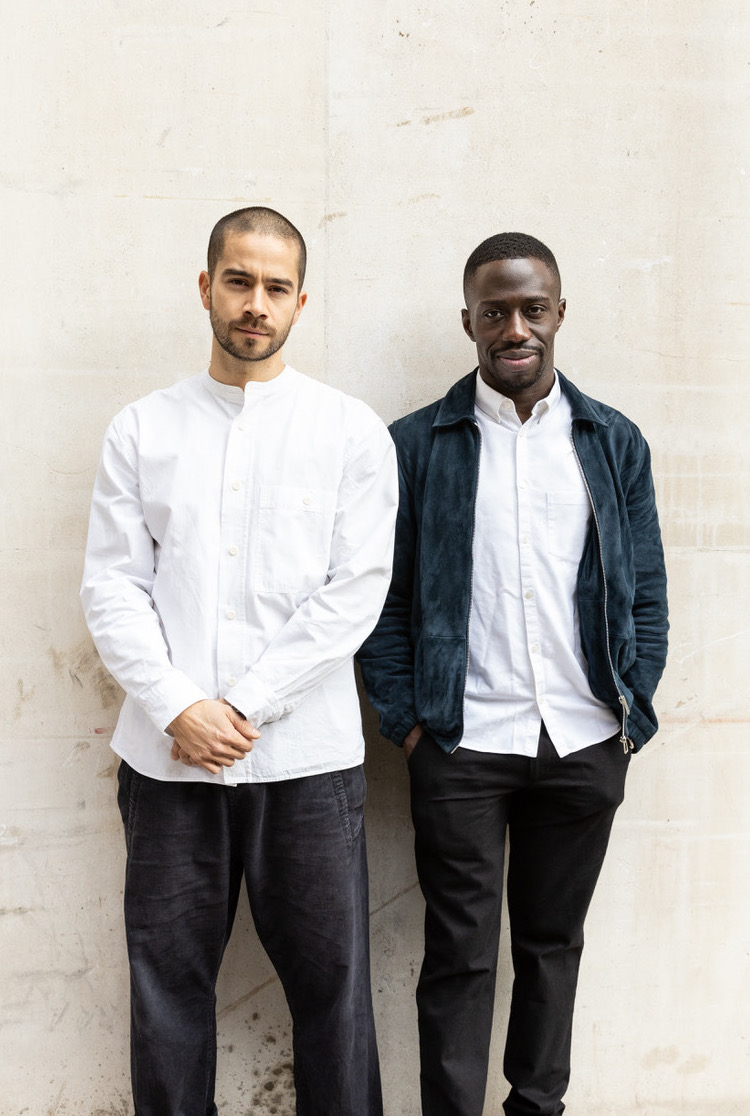
For Hassan-Odukale, food was already part of his childhood. Born in Lagos, he grew up in Ikoyi, surrounded by the flavours and food cultures of West Africa. His professional background initially took him somewhere very different. After studying Economics and Politics in England, he spent six years in insurance before finding his way into hospitality.
The two friends began researching, experimenting and developing dishes together. Chan spent years building his technical knowledge, while their shared curiosity gradually turned into a restaurant concept.
That concept became Ikoyi.
Flavour first
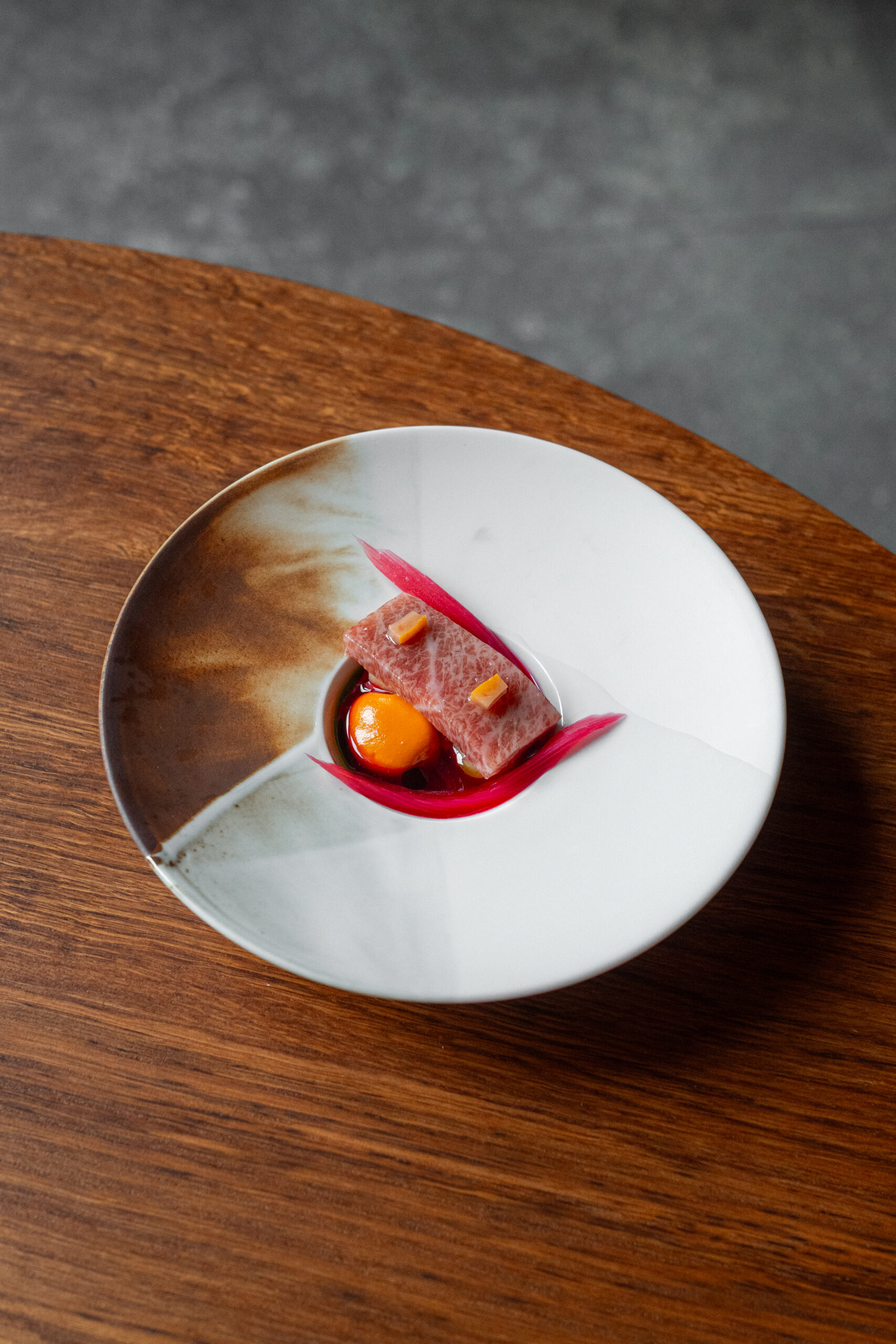
The kitchen works closely with British farmers, fishermen and producers, with particular attention paid to seasonality and ingredients that are often overlooked. But British produce is only one part of the story.
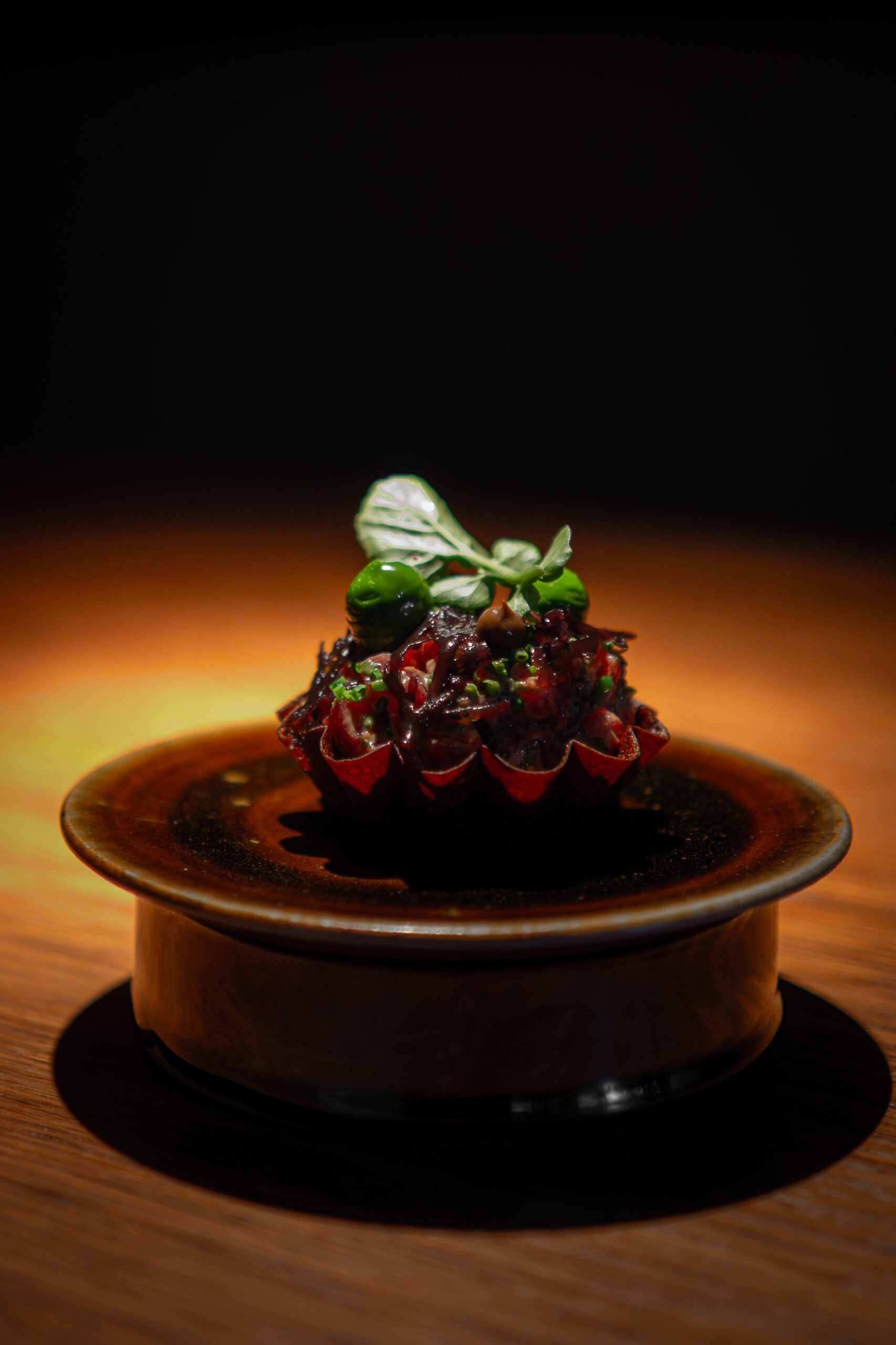
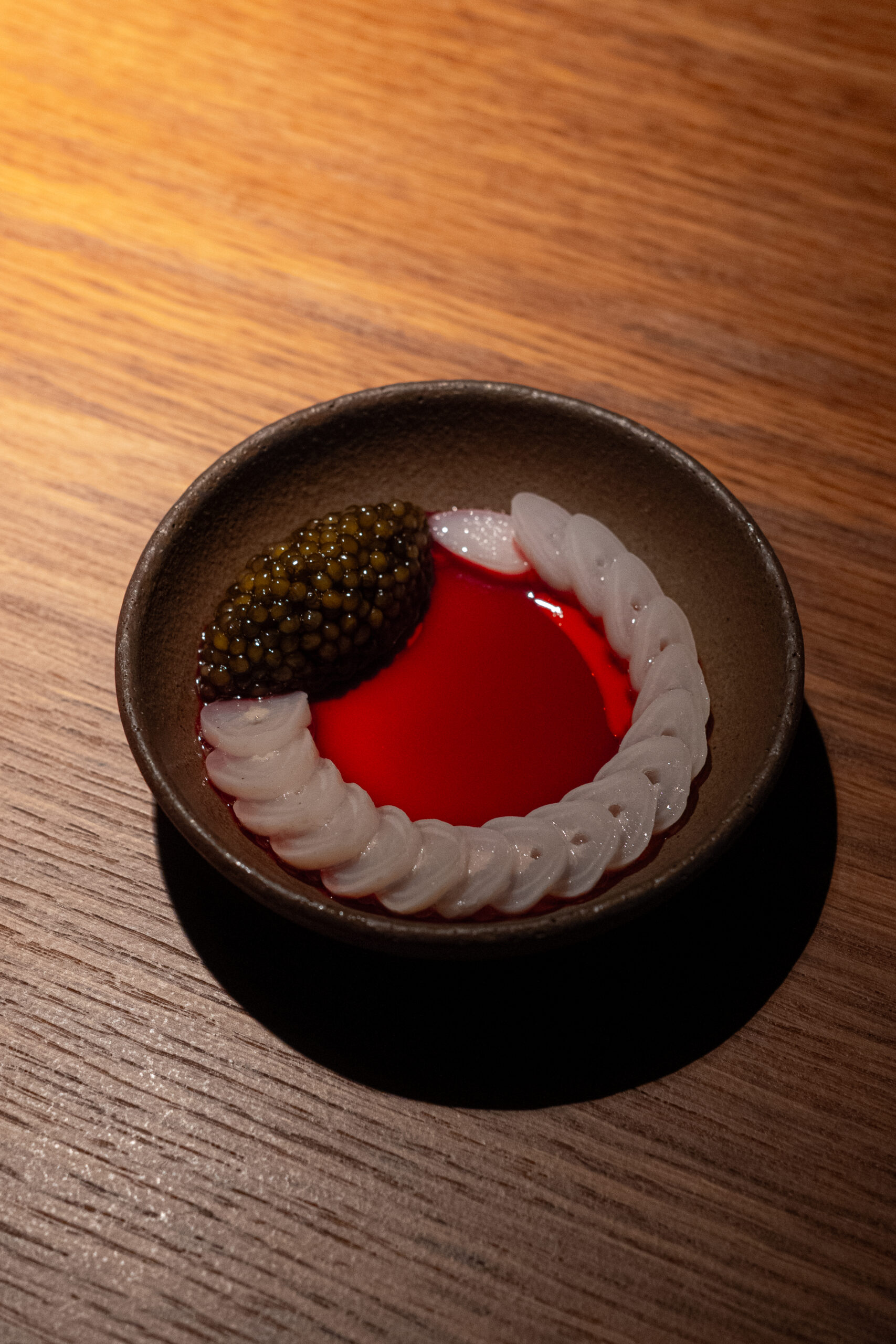
Chan brings these ingredients into a much wider world of flavour, drawing on the tastes and techniques that have influenced him while avoiding the need to fit them into a single geographical category. The dishes are developed through experimentation, with flavour taking precedence over a predetermined aesthetic.
There is plenty of intensity in the cooking – heat, spice and umami – but it is rarely there simply for effect. The menus are carefully balanced, and the presentation is considered almost from the beginning of the creative process.
This is what gives Ikoyi its particular character. You can recognise influences in the food, but it never feels like an exercise in reproducing a particular cuisine.
A sense of place without being tied to one
Ikoyi’s own description of its cooking as “global modernism” feels fitting. The restaurant describes its approach as placeless, free and personal, while still reflecting the energy of its London home. The same balance can be found in the restaurant itself.
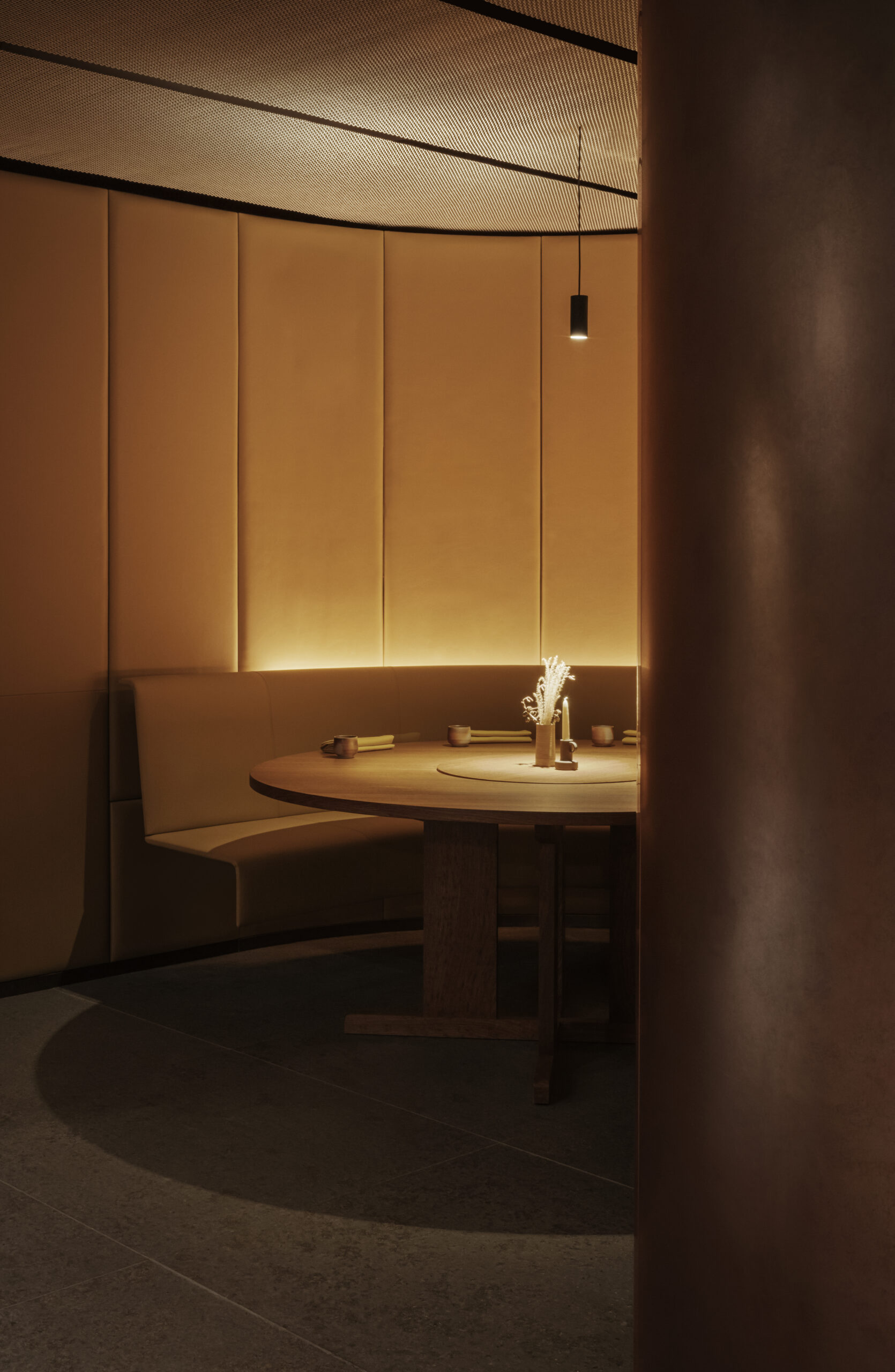
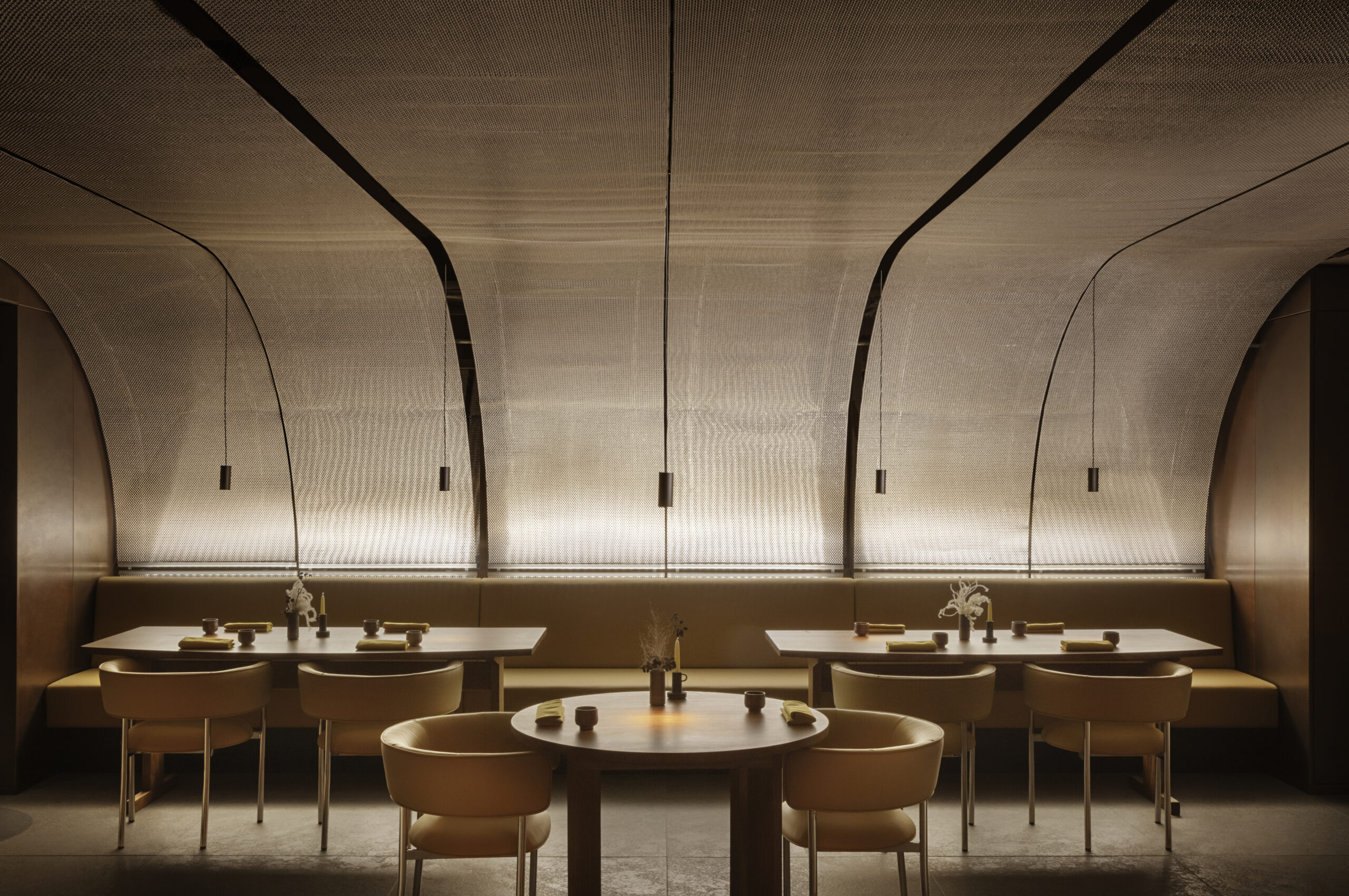
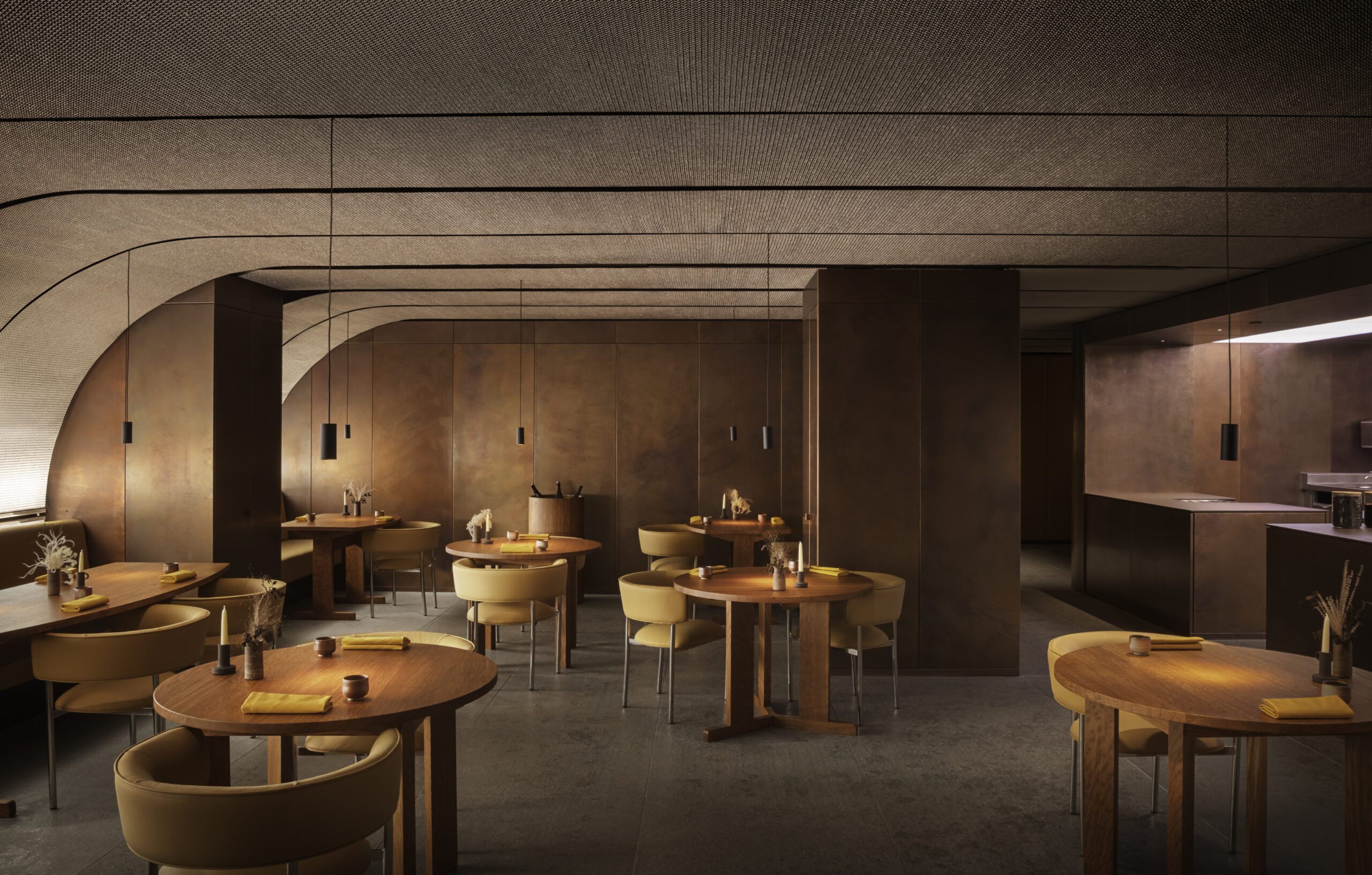
Designed in collaboration with Danish architect and designer David Thulstrup, the interiors combine copper, stone, oak, leather and steel mesh. There is an open kitchen, a generous dining room, an outdoor terrace and a private dining space. The materials and muted palette give the room a certain calm, while the open kitchen keeps the energy of the restaurant visible.
It is contemporary without feeling overly polished, and intimate without becoming formal.
Where Ikoyi stands today
The restaurant’s rise has been remarkably consistent. In 2025, Ikoyi reached No. 15 on The World’s 50 Best Restaurants and received the Highest Climber Award. It had ranked No. 42 the previous year and No. 35 in 2023.
Yet perhaps the most interesting part of Ikoyi is not where it appears on a list.
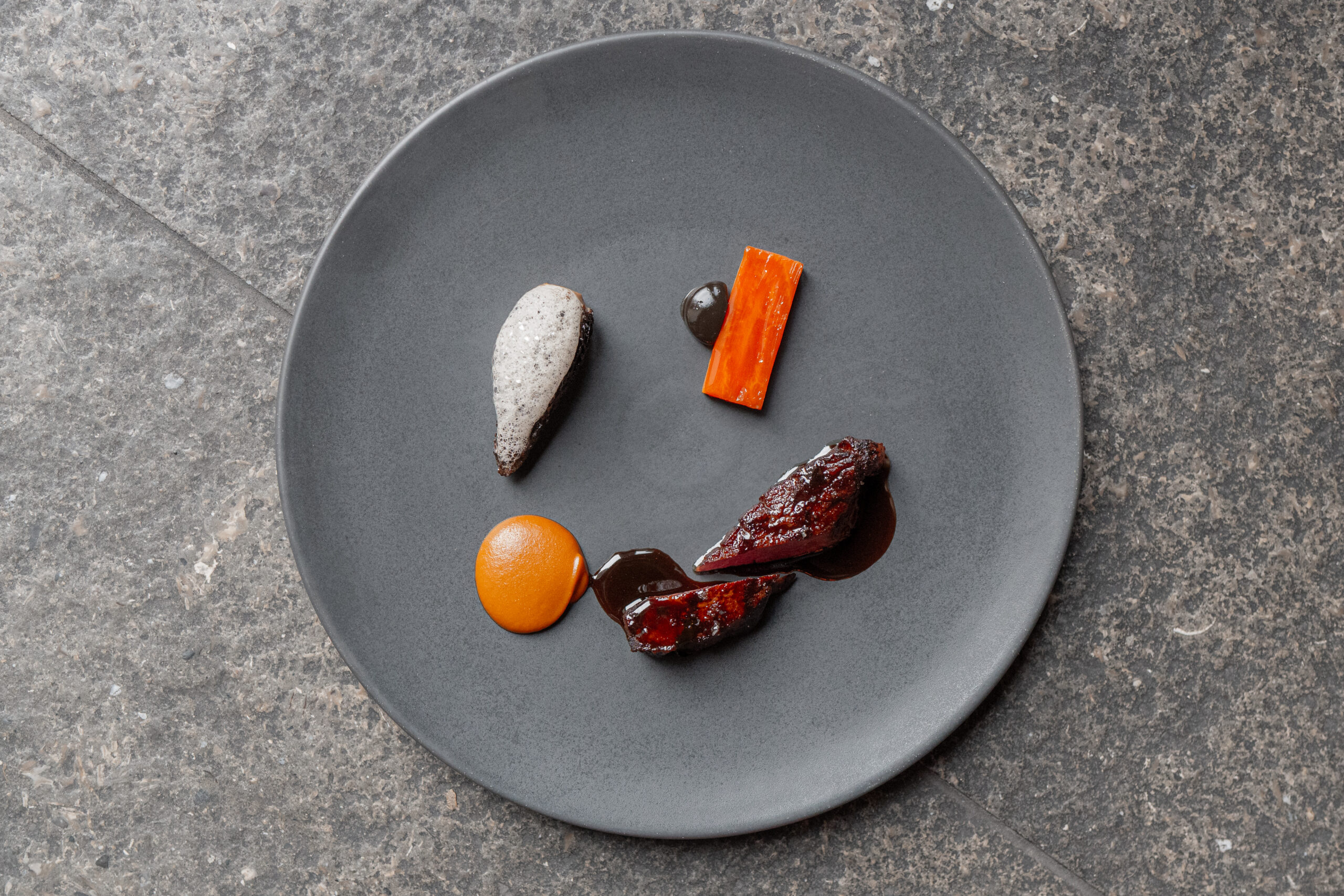
It is the fact that, after all the attention, the restaurant still feels driven by the same question that shaped it from the beginning: how far can you take an ingredient, an idea or a flavour without losing what made it interesting in the first place? At Ikoyi, there is no attempt to make the food belong to one place.
It belongs to its creators — and, increasingly, to London.